For streetwear brands building a distinct visual identity, custom decoration can make or break a final piece. Direct-to-Garment printing and embroidery remain two of the most popular finishing methods for personalised hoodies, T‑shirts, polo shirts and heavyweight apparel, each carrying its own texture, lifespan and stylistic language.
At our in-house clothing factory, every decoration job is produced in a tidy, well-organised production space equipped with Brother DTG printers, alongside professional multi-needle embroidery machines. We evaluate each client’s design, fabric, order size and brand tone before recommending the right technique, rather than pushing a single solution for all orders.
DTG printing works like an inkjet printer for textiles. Water-based ink is sprayed directly onto the fabric, sinking gently into the garment instead of sitting thickly on the surface. It excels at intricate, colourful artwork, gradient graphics, photographic prints and detailed illustrations that would be difficult to recreate with thread. It performs best on cotton and cotton-blend fabrics, including heavyweight tees, hoodies and sweatshirts. Since no screen setup is required, DTG is friendly for small-batch custom orders, while still delivering consistent colour saturation for larger runs. Our Brother DTG units deliver sharp, clean prints with soft hand feel, avoiding the stiff, rubbery texture common with low-quality digital printing.
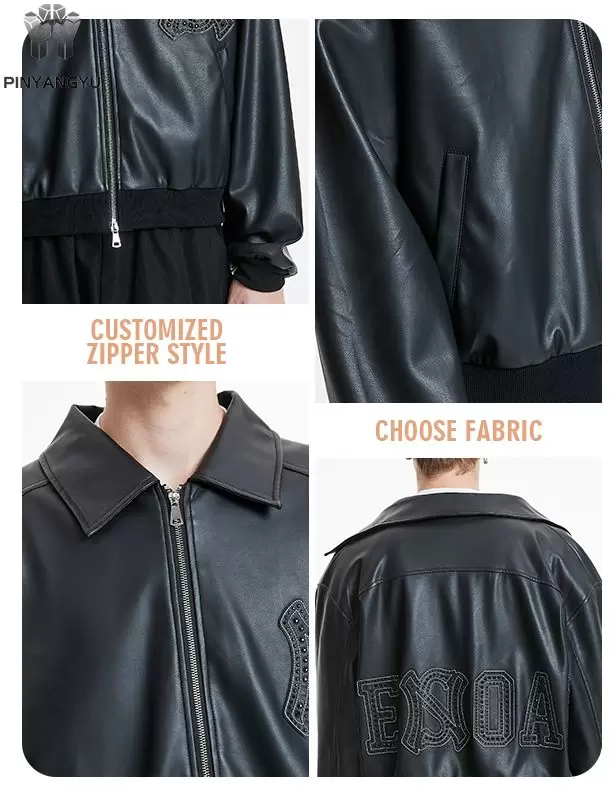
Embroidery brings a premium, tactile feel to streetwear logos and marks. Stitched patterns hold up extremely well through repeated washing, tumble drying and everyday wear, with little risk of fading or peeling. Bold logos, small brand crests, lettering and minimalist emblems shine with embroidery. It pairs beautifully with thick hoodies, canvas jackets and heavy polo shirts. For vintage-style streetwear, subtle stitched branding adds quiet luxury and durability that many collectors favour. One limitation to note: highly complex multi-colour or photo-real designs usually do not translate well into embroidery.
Fabric selection also shapes the final result. Light, smooth cotton is ideal for crisp DTG output. Thick fleece and sturdy twill often benefit more from embroidery, as the stable base holds stitches neatly. If you plan to add vintage wash effects such as snow wash, monkey wash or distressed abrasion to your garments, we also adjust the decoration sequence carefully. Printing or stitching after washing helps preserve detail and prevents designs from warping during the wash process.
So which option is better? There is no universal answer. Go for DTG if you want full-colour artwork, detailed graphics, or flexible small-batch production. Pick embroidery if you prioritise long-lasting texture, elevated brand logos and a high-end, timeless look. Many streetwear labels even combine both: an embroidered chest logo paired with a large DTG back print to create layered visual impact.
Whether you are launching a new drop, preparing team uniform orders, or sampling a brand-new concept, our factory supports full customisation from tech pack review, fabric sourcing, washing treatment to final decoration. Send over your artwork and specifications, and our team will walk you through the most suitable decoration route for your custom streetwear.


 en


 Leave a Message