Rhinestone hoodies have evolved from niche statement pieces into commercially viable fashion products across streetwear, stage apparel, and premium casualwear. For fashion startups and overseas apparel brands, the challenge is no longer creative differentiation alone, but how to manufacture rhinestone hoodies at scale without compromising durability, comfort, or brand consistency.
Successful rhinestone hoodie manufacturing requires seamless coordination across fabric sourcing, pattern engineering, embellishment application, quality control, and export logistics. Pinyang Clothing supports this process through professional garment manufacturing experience, vertically integrated supply chain control, and flexible OEM & ODM solutions designed for global markets.
Fabric Selection as the Foundation of Rhinestone Durability
In rhinestone hoodie production, fabric choice directly impacts crystal adhesion, garment weight balance, and long-term wear performance. Unlike printed graphics, rhinestones introduce localized stress points that amplify fabric weaknesses if material selection is not optimized.
Pinyang Clothing sources hoodie fabrics based on:
Knit density and surface stability to support rhinestone bonding
Fabric recovery after weight loading from embellishments
Compatibility with heat and pressure used during rhinestone application
Comfort and drape required by fashion-forward silhouettes
By controlling fabric sourcing internally, Pinyang ensures that sampling and bulk production maintain identical material performance—an essential factor for overseas brands managing seasonal consistency.
Industry data from apparel testing laboratories indicates that over 30% of rhinestone garment failures originate from fabric–adhesive incompatibility, highlighting why fabric sourcing must be engineered, not improvised.
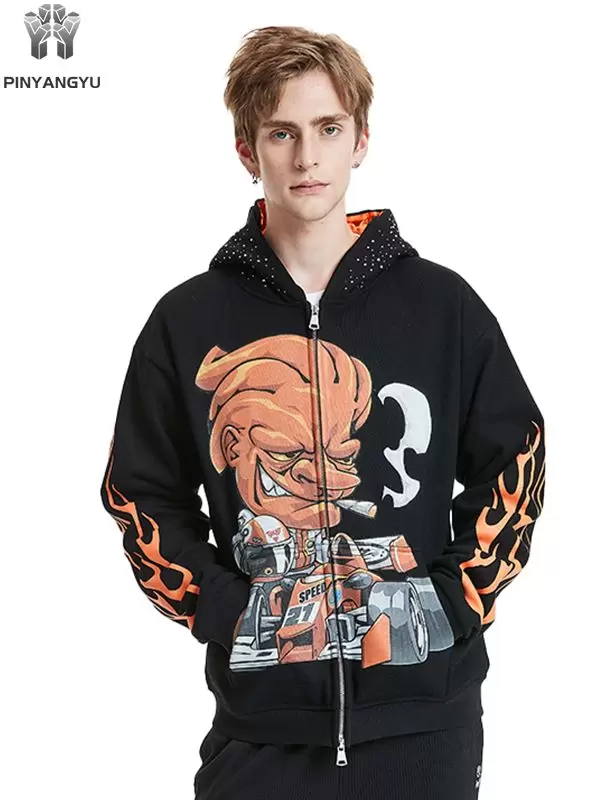
Pattern Making Engineered for Embellishment Load Distribution
Rhinestone hoodies place uneven weight across garment panels. If pattern construction does not account for this, issues such as panel distortion, seam stress, and neckline deformation can occur during wear.
Pinyang Clothing’s custom pattern making integrates:
Reinforced panel zones for dense rhinestone layouts
Size grading logic that preserves embellishment proportions
Structural balance to maintain hoodie shape across sizes
Patterns are developed in parallel with rhinestone placement planning, ensuring visual symmetry and mechanical stability. This integrated approach reduces post-production corrections and protects brand presentation in retail environments.
Rhinestone Application Process Control
The visual appeal of rhinestone hoodies depends on precision, but their commercial success depends on process repeatability. Pinyang Clothing manages rhinestone application through controlled workflows aligned with production scale.
Key process controls include:
Stable temperature and pressure parameters during bonding
Consistent layout alignment across multiple production runs
Pre-production testing for wash resistance and abrasion
These controls allow rhinestone designs to transition smoothly from prototype to bulk manufacturing, supporting both fashion startups testing new concepts and overseas brands running repeat programs.
Sampling as a Risk-Reduction Strategy
Prototype sampling plays a strategic role in rhinestone hoodie manufacturing. Beyond aesthetics, samples validate:
Adhesion strength after washing and handling
Fabric deformation under embellishment weight
Comfort and flexibility in daily wear scenarios
Pinyang Clothing supports prototype sampling from a single piece, enabling brands to refine designs before committing to scalable production. Sampling feedback is systematically incorporated into production standards, reducing defect rates during mass manufacturing.
Full-Package Production for Consistency at Scale
Rhinestone hoodies require tight coordination between cutting, embellishment, sewing, and finishing. Fragmented production increases the risk of misalignment, damage, or inconsistent results.
Pinyang Clothing’s full-package production integrates:
Precision cutting aligned with rhinestone layouts
Controlled sewing sequences to protect embellishments
Finishing processes designed to preserve surface integrity
This vertically integrated workflow ensures that rhinestone hoodies maintain uniform quality from small startup batches to large wholesale orders exceeding 10,000 units.
Quality Control Focused on Real-World Wear
Quality control for rhinestone hoodies must reflect real usage rather than visual inspection alone. Pinyang Clothing implements stringent quality control and inspection protocols focused on:
Rhinestone retention after repeated washing
Seam integrity under embellishment load
Surface abrasion resistance during packaging and transit
Dimensional stability after finishing
According to apparel quality benchmarks, embellishment-related returns often stem from insufficient durability testing. Pinyang’s uncompromising quality assurance framework addresses this by validating performance before shipment, protecting brand reputation in overseas markets.
Export Packaging Designed for Embellished Garments
Rhinestone hoodies are particularly vulnerable during transportation due to friction and pressure. Export packaging is therefore a functional extension of manufacturing quality.
Pinyang Clothing’s export packaging and logistics management includes:
Protective folding methods to avoid crystal abrasion
Reinforced inner packaging for embellished zones
Carton specifications aligned with international shipping standards
These measures ensure that rhinestone hoodies arrive market-ready, minimizing damage claims and customer dissatisfaction.
Supporting Fashion Startups and Overseas Brands
Fashion startups and overseas apparel brands often operate under different constraints but share common manufacturing priorities: flexibility, communication, and reliability.
Pinyang Clothing provides:
1-on-1 design consultations for embellishment feasibility
Scalable production from 1 to 10,000+ units
Dedicated project management for cross-border coordination
This support structure allows brands to focus on creative development and market expansion while relying on a manufacturing partner capable of executing complex rhinestone hoodie programs.
Industry Perspective: Rhinestone Hoodies in Global Fashion
As personalization and statement apparel gain traction, rhinestone hoodies continue to perform strongly in streetwear, performance fashion, and premium casual segments. Market analysis shows sustained demand for embellished garments that combine visual impact with everyday wearability.
Manufacturers with integrated embellishment expertise and vertical production control are increasingly favored by global brands seeking consistent quality and scalable output—positioning Pinyang Clothing as a long-term manufacturing partner rather than a transactional supplier.
FAQ: Custom Rhinestone Hoodie Manufacturing
Q1: Are rhinestone hoodies suitable for bulk production?
Yes, with standardized processes and quality controls, rhinestone hoodies can be produced reliably at scale.
Q2: How is rhinestone durability ensured?
Through fabric compatibility testing, controlled bonding parameters, and wash resistance validation.
Q3: Can rhinestone designs be customized for different markets?
Yes, layouts, density, and placement can be adjusted to suit regional preferences and brand positioning.
Q4: What garment styles can be produced alongside hoodies?
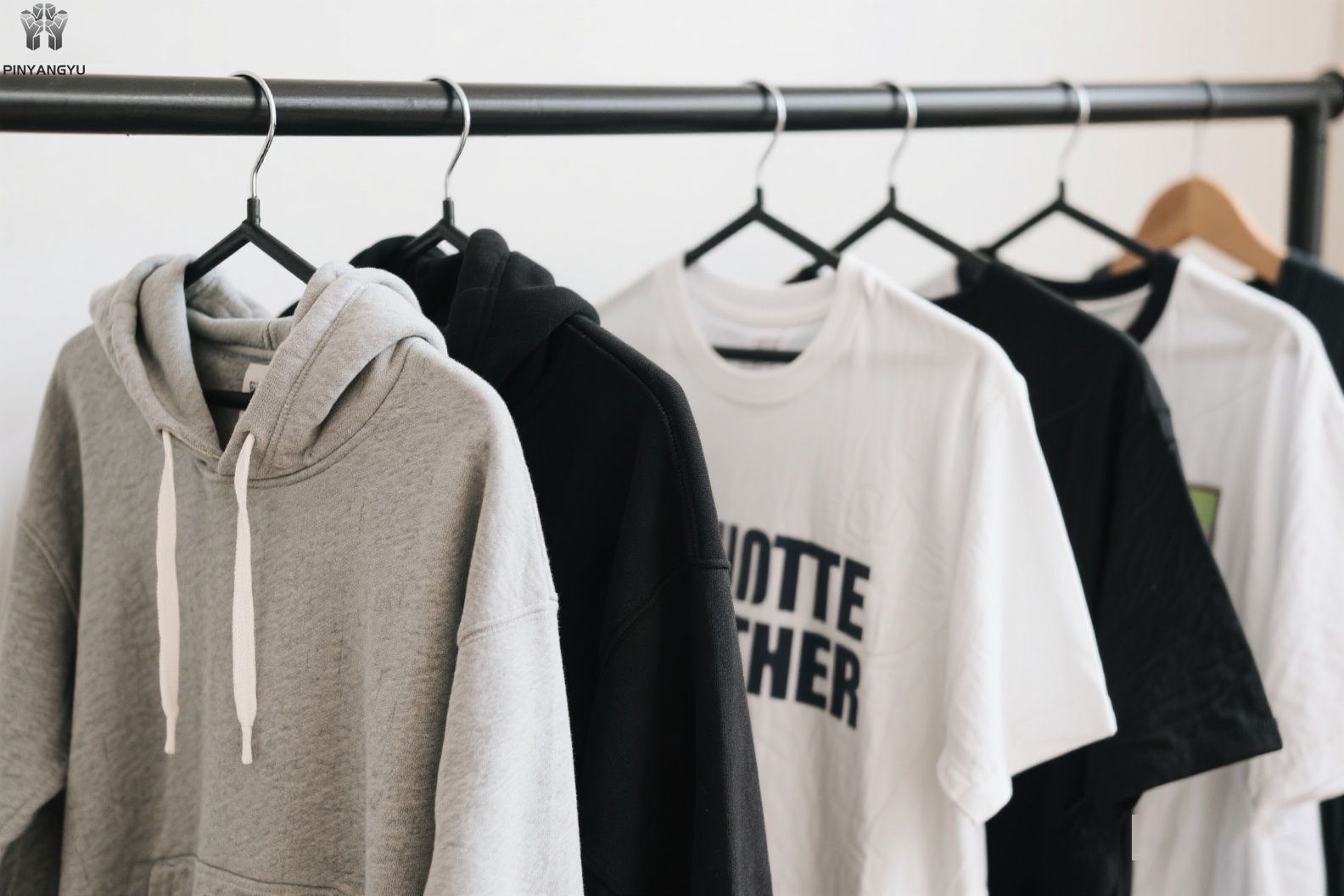
Rhinestone embellishment can also be applied to T-shirts, sweatpants, shorts, and coordinated apparel sets.
Conclusion
Custom rhinestone hoodie manufacturing demands more than decorative skill—it requires engineering discipline, process integration, and quality governance across the entire production chain.
With professional garment manufacturing experience, seamless vertical integration, and flexible OEM & ODM capabilities, Pinyang Clothing enables fashion startups and overseas apparel brands to transform rhinestone hoodie concepts into durable, scalable, and market-ready products. From design consultation to export packaging, every stage is aligned to support brand growth and long-term success.


 en
en



 Leave a Message