In today’s apparel market, embroidered hoodies are no longer simple merchandise items. They have become core products for streetwear brands, lifestyle labels, corporate uniforms, and creative IP-driven collections. What separates an average embroidered hoodie from a premium ready-to-wear fashion product is not the logo itself, but how the design is interpreted, engineered, produced, and scaled.
Pinyang Clothing operates at this intersection of creativity and manufacturing execution. With professional garment manufacturing experience, seamless vertical integration, and strong supply chain control, Pinyang Clothing transforms custom hoodie embroidery concepts into consistent, market-ready collections—supporting creators, wholesalers, and brands from initial sketch to global delivery.
Translating Embroidery Concepts into Production-Ready Designs
Custom hoodie embroidery begins long before stitching machines are activated. The transformation process starts with design translation, where creative ideas are aligned with industrial production realities.
Key considerations at this stage include:
Embroidery density and stitch count optimization
Logo scaling across multiple hoodie sizes
Placement accuracy for chest, sleeve, back, and hood embroidery
Compatibility between embroidery techniques and fabric structures
Through 1-on-1 design consultations, Pinyang Clothing works directly with clients to refine artwork into embroidery-ready files that maintain visual impact while ensuring production efficiency. This early-stage alignment significantly reduces sampling iterations and shortens development cycles.
Industry data shows that poor embroidery digitization accounts for over 30% of sampling delays in custom apparel manufacturing. Pinyang’s structured pre-production workflow minimizes this risk.
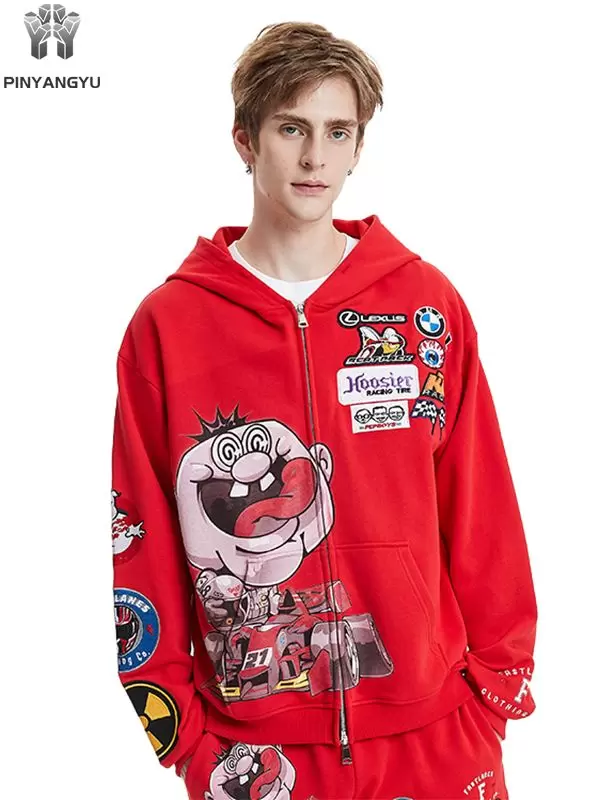
Fabric Selection That Supports Embroidery Integrity
Premium embroidered hoodies require fabrics that can structurally support stitching without distortion, puckering, or long-term deformation.
Pinyang Clothing’s fabric sourcing and procurement capabilities allow precise matching between:
Fabric weight and embroidery complexity
Knit density and stitch tension
Surface finish and thread contrast
Whether producing heavyweight fleece hoodies for streetwear collections or smoother knits for minimalist designs, fabric decisions are made with embroidery durability and garment aesthetics in mind.
Because Pinyang maintains direct control over material sourcing, embroidery quality remains consistent across small prototype runs and large-scale production orders.
Sample Development as a Critical Quality Gate
Prototype sampling plays a decisive role in transforming custom embroidery into premium products. Pinyang Clothing offers prototype sampling starting from one piece, allowing brands and designers to evaluate:
Stitch clarity and depth
Thread color accuracy under different lighting
Fabric recovery after embroidery
Overall garment drape and structure
Sampling is not treated as a formality but as a technical validation stage. Adjustments made here ensure the final collection meets both aesthetic expectations and production stability requirements.
Scalable Embroidery Production Without Quality Degradation
One of the most challenging aspects of embroidered hoodie manufacturing is maintaining consistency when scaling from dozens to thousands of units.
Pinyang Clothing’s OEM & ODM manufacturing model, combined with full-package production, enables controlled scalability from 1 to 10,000+ units without compromising embroidery precision.
Key production controls include:
Standardized embroidery programs across machines
Batch-level inspection of stitch consistency
Real-time production monitoring
Dedicated quality checkpoints during cutting, sewing, and finishing
According to global apparel manufacturing benchmarks, embroidery inconsistency is a leading cause of returns in custom apparel. Pinyang’s stringent quality control and inspection protocols significantly reduce defect rates at scale.
Seamless Vertical Integration for Faster Turnaround
Premium ready-to-wear collections demand speed as much as quality. Pinyang Clothing’s vertically integrated manufacturing structure eliminates common bottlenecks between design, sampling, production, and logistics.
Integrated capabilities include:
Pattern making and grading
Cutting, sewing, embroidery, and finishing
Export packaging and logistics management
This end-to-end control improves communication accuracy, shortens lead times, and ensures accountability at every stage of production. Clients benefit from a single manufacturing partner rather than fragmented outsourcing chains.
Customization Beyond Logos: Building Brand Identity Through Details
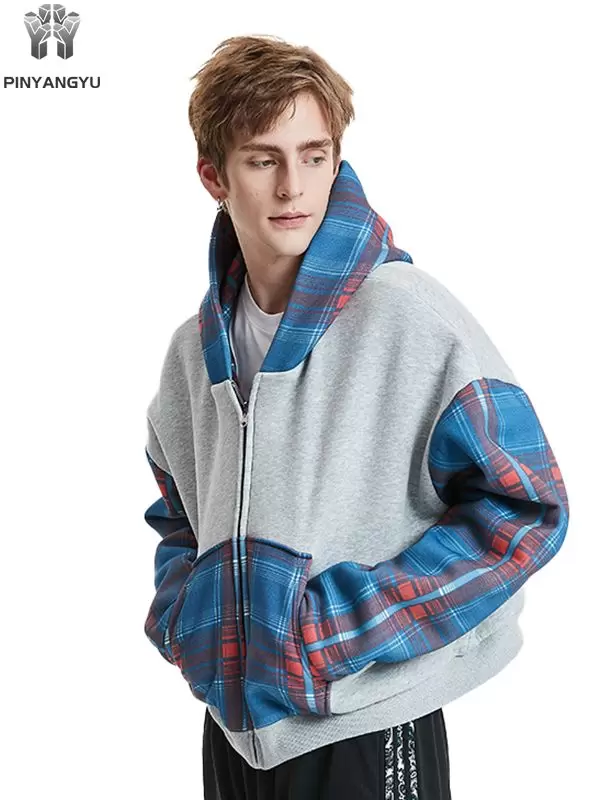
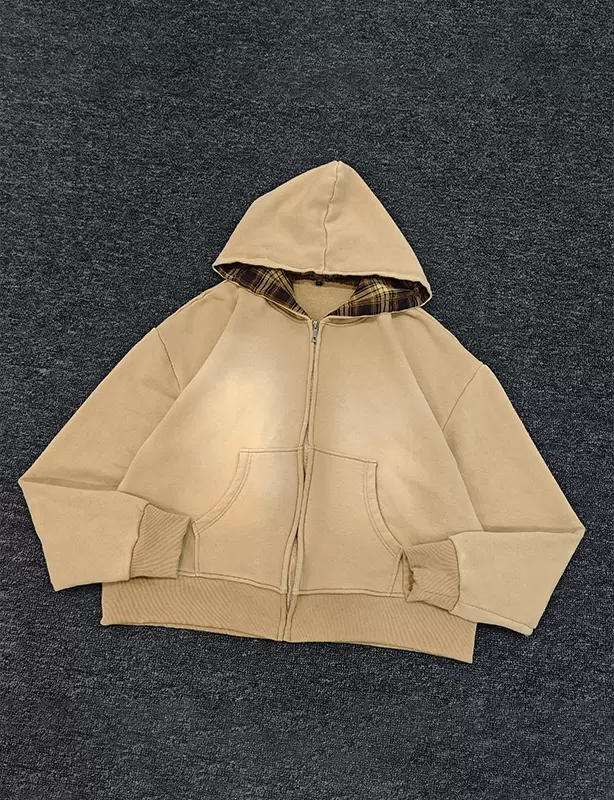
Modern embroidered hoodies are defined by more than their logos. Pinyang Clothing supports deeper customization that elevates garments into cohesive fashion collections, including:
Custom neckline, cuff, and hem constructions
Signature stitching and thread combinations
Custom labels, tags, and packaging solutions
Coordinated hoodie, sweatpant, and short sets
By aligning embroidery with garment construction and finishing details, Pinyang helps brands create recognizable product DNA rather than isolated custom items.
Quality Assurance as a Continuous Process
Quality at Pinyang Clothing is not limited to final inspection. It is embedded throughout the manufacturing lifecycle.
Quality control measures cover:
Incoming fabric inspection
In-process embroidery checks
Sewing accuracy and seam strength validation
Finishing, washing, and shape retention checks
This uncompromising approach to quality assurance ensures consistency across repeat orders—an essential factor for brands building long-term collections rather than one-off releases.
Supporting Global Brands with Reliable Communication and Project Management
Effective communication is often the hidden determinant of manufacturing success. Pinyang Clothing emphasizes structured project management, providing clients with:
Clear production timelines
Transparent progress updates
Fast response cycles during development and production
This support structure is especially valuable for international buyers coordinating across time zones and market deadlines.
Industry Outlook: Embroidered Hoodies in Global Fashion
Market research indicates that custom embroidered apparel continues to grow as brands seek differentiation through craftsmanship rather than mass printing. Embroidery is increasingly associated with premium positioning, durability, and perceived value.
As demand shifts toward smaller batch customization and scalable production, manufacturers with flexible OEM/ODM capabilities and vertical integration—like Pinyang Clothing—are becoming strategic partners rather than simple suppliers.
FAQ: Custom Hoodie Embroidery Manufacturing
Q1: Can embroidered hoodie designs be scaled without losing quality?
Yes, with standardized embroidery programming and controlled production workflows, quality can remain consistent at scale.
Q2: Is small-batch production suitable for premium collections?
Absolutely. Sampling and small runs are often essential for validating embroidery details before scaling.
Q3: How important is fabric selection for embroidery durability?
Fabric structure directly impacts stitch stability, garment recovery, and long-term wear performance.
Q4: Can multiple garment styles be produced within one collection?
Yes. Hoodies, sweaters, T-shirts, sweatpants, shorts, and coordinated sets can be produced within unified quality standards.
Conclusion
Transforming custom hoodie embroidery designs into premium ready-to-wear fashion collections requires more than machinery—it demands manufacturing intelligence, quality discipline, and supply chain control.
With strong professional garment manufacturing experience, seamless vertical integration, and flexible customization capabilities, Pinyang Clothing provides creators, brands, and wholesalers with a reliable pathway from concept to market-ready products. From one-piece prototypes to large-scale production, every stitch reflects a commitment to craftsmanship, consistency, and long-term brand value.


 en
en


 Leave a Message