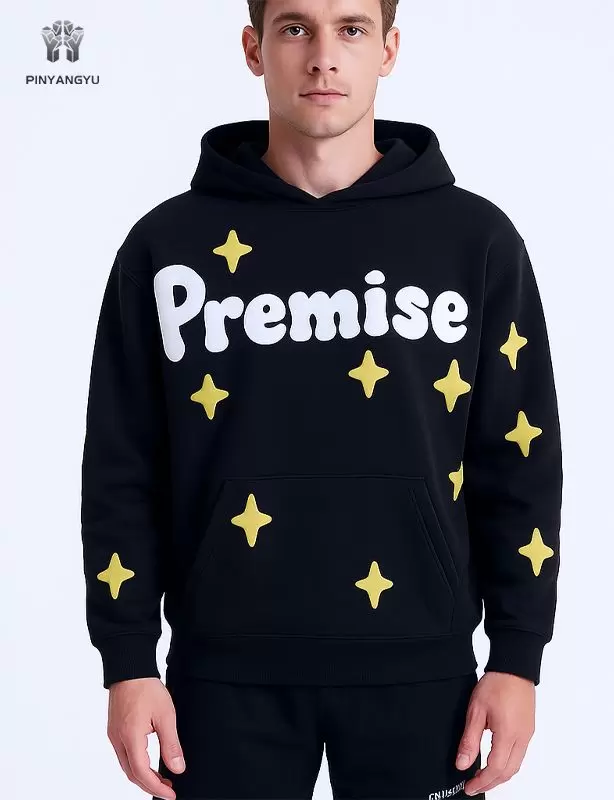
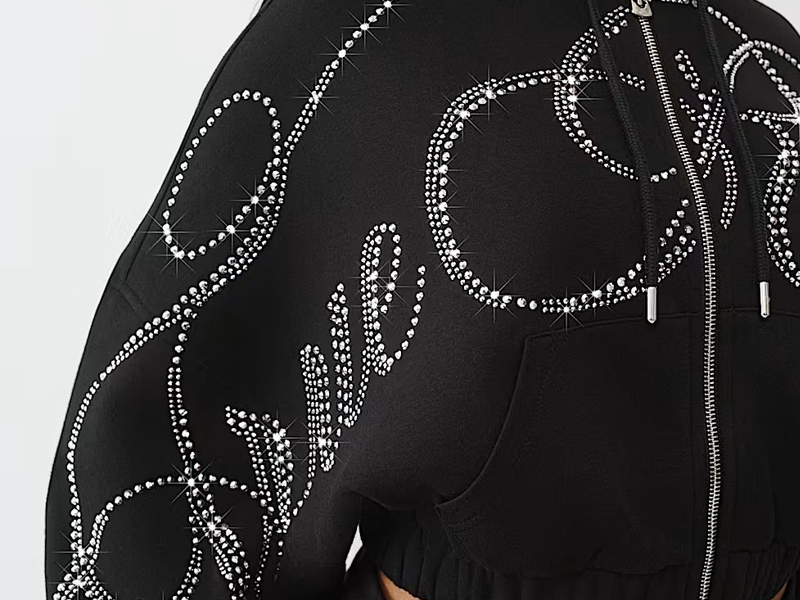
A 3D puff hoodie is more than just a garment—it is a wearable statement. The raised, embossed graphics create texture and visual depth that elevates the design, but they also require careful maintenance. For brands and creators who rely on premium quality and consistent output, understanding how to care for 3D puff prints is essential. That is where Pinyang Clothing’s full-package manufacturing and quality assurance system comes into play: the right production process paired with proper aftercare ensures the design stays crisp and vibrant.
In this article, we provide a comprehensive guide to maintaining your 3D puff hoodie so that embossed graphics stay looking brand new. The guidance is practical, based on industry standards, and aligned with Pinyang Clothing’s commitment to quality and customization.
1. Why 3D Puff Graphics Need Special Care
3D puff prints are raised, textured elements typically achieved through specialized ink and heat-setting techniques. While they add premium visual appeal, they are more susceptible to:
Abrasion and friction (especially at contact points like cuffs and pockets)
Heat damage from high-temperature washing or ironing
Cracking or flattening if improperly stored or washed
Color fading if exposed to strong detergents or sunlight
The goal of maintenance is to protect the texture and adhesion of the puff print while keeping the fabric in good condition. This is where Pinyang Clothing’s quality control and consistent production methods matter: a well-manufactured hoodie starts with strong print adhesion and stable fabric handling.
2. The Fabric and Print Relationship: What to Look for in Quality Production
A high-quality 3D puff hoodie depends on more than just the print. It requires a solid fabric base and consistent manufacturing process. Pinyang Clothing’s vertical integration and supply chain control ensure:
Uniform fabric sourcing to prevent uneven shrinkage
Accurate cutting and sewing for stable garment structure
Controlled printing conditions to ensure strong adhesion
Stringent quality control to prevent defects like peeling or cracking
A properly produced hoodie is less likely to experience print issues during normal wear, which makes maintenance more effective.
3. Washing Guidelines That Preserve Puff Prints
A. Hand Washing vs. Machine Washing
Hand washing is the safest option for preserving puff prints, but it is not always practical. If you must machine wash:
B. Choose the Right Detergent
Avoid strong detergents, bleach, or fabric softeners. These can weaken the print’s adhesion and affect the fabric texture.
C. Avoid Over-Agitation
Excessive agitation can flatten or crack puff prints. Using a laundry bag can reduce friction.
D. Drying Methods
Avoid tumble drying. Instead:
This prevents print deformation and reduces fabric stress.
4. Storage Practices That Maintain 3D Texture
Storage is often overlooked but is critical for preserving embossed graphics:
Avoid folding along the print area
Use hangers or flat storage
Keep in a cool, dry place
Avoid compression from heavy items
Proper storage prevents flattening and preserves the print’s 3D effect.
5. Repair and Prevention: Handling Common Puff Print Issues
A. Puff Print Peeling
If peeling occurs, it is often due to low adhesion or excessive heat. Prevent it by:
B. Puff Print Cracking
Cracking is usually caused by fabric stretching or high heat. Prevention includes:
Avoiding ironing directly on the print
Choosing correct washing temperature
Avoiding tight stretching over the print area
C. Flattening
Flattening is caused by compression. Prevent it through proper storage and avoiding heavy pressure.
6. A Practical Maintenance Checklist (Quick Reference)
| Maintenance Step | Best Practice | Why It Matters |
|---|
| Washing | Cold water, gentle cycle, inside out | Reduces friction and heat damage |
| Detergent | Mild, no bleach | Protects print adhesion |
| Drying | Flat, air-dry | Prevents deformation |
| Storage | Hang or flat, avoid compression | Preserves 3D texture |
| Ironing | Avoid direct heat | Prevents melting or cracking |
7. Why Professional Manufacturing Support Matters for Long-Term Durability
The best maintenance tips cannot fully compensate for poor production quality. Pinyang Clothing’s end-to-end services ensure:
Consistent fabric sourcing
Reliable printing processes
Accurate sizing and cutting
Strong stitching and finishing
Dedicated quality inspection
This reduces the risk of print failure and improves long-term wear performance.
8. Industry Data and Standards That Support Proper Care
According to industry textile standards, garments with specialty prints should be washed under controlled conditions to maintain print integrity. The Textile Exchange and OEKO-TEX standards emphasize:
Use of low-impact detergents
Reduced washing temperatures
Proper drying methods to preserve fabric and prints
Pinyang Clothing’s full-package production aligns with these standards, ensuring the hoodies are made to withstand real-world wear while maintaining print quality.
FAQ (Frequently Asked Questions)
Q1: Can I iron over a 3D puff print?
A: No. Direct heat can melt or flatten the puff print. If ironing is necessary, place a protective cloth over the print and use low heat.
Q2: How can I prevent puff print cracking?
A: Avoid stretching the print area and wash in cold water. Do not tumble dry.
Q3: Is hand washing always necessary?
A: Not always, but it is the safest method. If using a machine, follow the gentle cycle and cold water guidance.
Q4: How should I store a hoodie with 3D puff graphics?
A: Hang it or store it flat, avoiding folding over the print area and keeping it away from heavy compression.
Q5: What makes a 3D puff hoodie more durable?
A: Quality manufacturing, including consistent fabric sourcing and controlled printing processes, ensures better adhesion and long-term durability.
Conclusion
A 3D puff hoodie is a premium garment that requires thoughtful care to keep embossed graphics looking brand new. By following proper washing, drying, and storage practices—and by choosing a manufacturer with strong quality control like Pinyang Clothing—you can extend the life of your hoodie and maintain its visual impact.
Pinyang Clothing’s full-package production and rigorous quality inspection ensure that the garment starts with a solid foundation, making maintenance more effective and reducing the risk of print failure. Whether you are an individual creator or a brand seeking scalable production, the right manufacturing partner and proper care routine are essential to preserving the 3D puff look over time.
If you are building a custom 3D puff hoodie line or seeking reliable OEM/ODM support, Pinyang Clothing provides the capabilities and consistency needed to deliver premium products with lasting quality.


 en
en

 Leave a Message