Pinyang Clothing Complete Guide to Buying Embroidery Patch T-Shirts in 2026
Apr. 14, 2026 Views:352
People love the look and feel of an embroidery patch t-shirt. They see these shirts everywhere, from streetwear brands to custom team gear. The global embroidery market keeps growing fast, with experts expecting it to reach 8.0 billion dollars by 2034. This shows that more people want personalized, high-quality clothes.
Pinyang Clothing stands out for its fast turnaround, low minimum order, and strong quality control.
Metric
Value
On-time delivery rate
98.9%
Customer ratings
4.9 / 5.0
Reorder rate
45%
Buyers should look at patch types, how patches attach, design options, and how long shirts last. Pinyang Clothing’s support team stays ready to help before and after each order.
Key Takeaways
Pick the patch type that fits your style best. You can choose from embroidered, woven, or FlexStyle patches. Each one looks different and has its own benefits.
Pick good fabrics for comfort and strength. Organic cotton, bamboo, and heavyweight cotton are smart picks. These fabrics help your t-shirt last longer.
Learn about how patches are put on shirts. Iron-on patches are fast to use but may not stay on as long. Sew-on patches last longer and are stronger.
Check out ways to make your shirt unique. Pinyang Clothing lets you design your own patches. This helps you show off your brand or style.
Take care of your t-shirt the right way. Wash it inside out and use cold water. This keeps your patches looking bright and secure.
Embroidery Patch T-Shirt Types
Picking the right patch can really change a t-shirt. Pinyang Clothing has many patch types for everyone. You can find one that matches your style or brand. Here are the main choices.
Embroidered Patch Styles
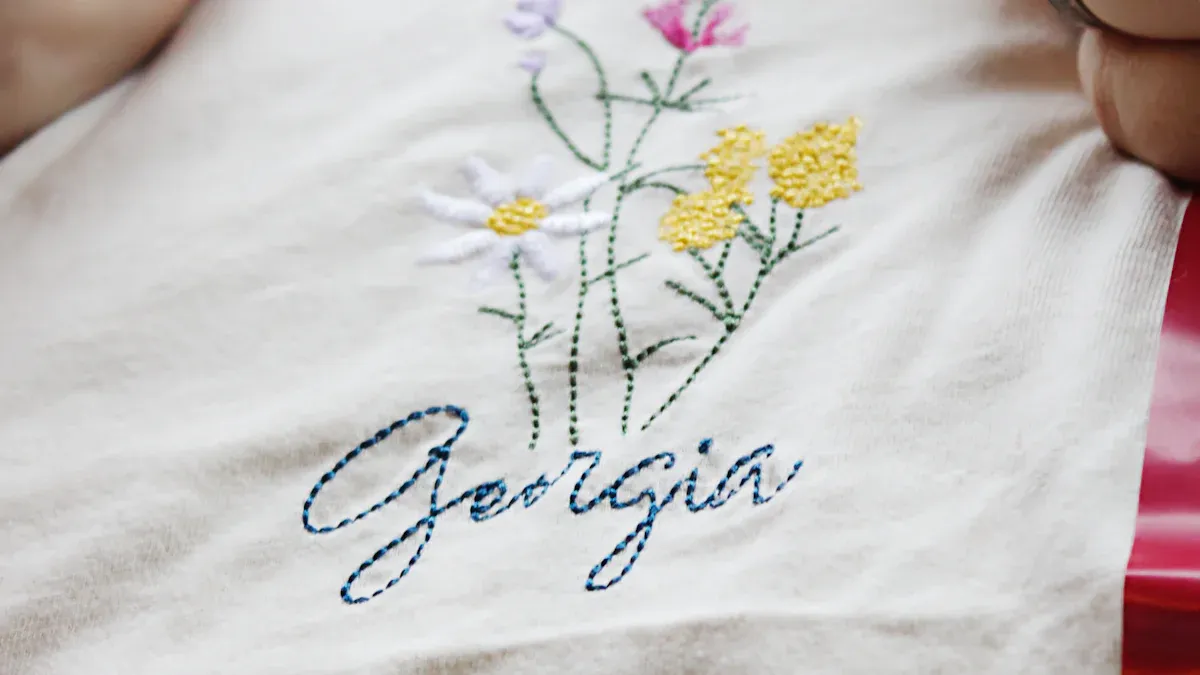
Embroidered patches have bright colors and raised textures. They use fabric backing and strong threads. People like these for fashion brands and clubs. Scout troops and police also use them. The threads make a 3D look that stands out. These patches are good for a classic style with personality. Many ready-made patches show logos, mascots, or art.
Woven and FlexStyle Patches
Woven patches use flat threads on cloth. They are thinner and smoother than embroidered patches. These work well for company items and outdoor brands. Military groups use them too. The details look sharp and clear. This helps when designs have small words or lines. FlexStyle patches are more modern. They use soft, bendy materials for a rubbery feel. These patches are light and move with the shirt. Many ready-made ones have cool graphics or sports themes. People who want a simple look pick these patch types.
Limited Edition Designs
Limited edition designs make any collection more fun. Pinyang Clothing makes special patches for holidays and events. They also do collaborations. These patches use special colors and shiny threads. Some even glow in the dark. Fans and collectors like to get these before they are gone. Limited edition patches help brands stand out. They let you offer something rare. Ready-made patches in this group can make a t-shirt very popular.
Tip: Try mixing different patch types for a unique look. You can use both embroidered and FlexStyle patches for more style.
Pinyang Clothing helps you try all these choices. They have ready-made and custom patches for every taste.
Materials and Quality
T-Shirt Fabric Options
Picking the right t-shirt fabric is important. It affects comfort and how patches stay on. In 2026, people want fabrics that feel nice and last long. Here are some top choices:
Organic cotton feels soft and lets skin breathe. Many people wear it every day.
Bamboo is eco-friendly and very soft. It is good for people who care about the planet.
Premium heavyweight cotton keeps its shape after many washes. It gives a strong base for patches and does not stretch easily.
Each fabric works with patch types in its own way. Heavyweight cotton holds patches tight and keeps edges flat. Bamboo and organic cotton are comfy but need strong glue to stop patches from lifting.
Patch Materials and Threads
The right patch materials help t-shirts look good and last longer. High-quality polyester embroidery threads do not wear out fast. They keep colors bright after many washes. Polyester twill as a base fabric is strong. It stops patches from bending or losing shape. These materials help patches stay on and look neat for a long time.
Pinyang Clothing tests how threads and fabrics work together. They use heat press and stitching to keep patches in place. They finish edges carefully so they do not lift or fray. These steps stop problems like patches coming off or changing shape after washing.
Quality Assurance Standards
Pinyang Clothing checks every step with their supply chain. They look at color, patch bonding, and edge quality. Their quality rate is over 98%. This means buyers get t-shirts that meet high standards every time. Customers know their patch types and materials will last, even after many washes.
Note: Strong quality checks and good patch methods help your t-shirts stay new longer.
Patch Application Methods
Choosing the right way for applying patches can make a big difference in how long a t-shirt lasts and how good it looks. Each method has its own strengths and works best for certain needs.
Sew-On vs. Iron-On
People often ask about sew-on and iron-on patches. Here’s a quick look at how they compare:
Key Differences
Iron-On Patches
Sew-On Patches
Application Method
Needs an iron to melt adhesive
Needs sewing skills and tools
Backing
Thermoplastic adhesive
Standard fabric backing
Lasting
May loosen after many washes
Stays secure for a long time
Tools and Skills
Only an iron needed
Needle, thread, or sewing machine
Flexibility
Easy to remove
Hard to remove, very secure
Customization
Limited options
Many stitching styles possible
Iron-On Patches
Pros: Quick to apply, no sewing needed.
Cons: May not stick well to all fabrics. Less durable after many washes.
Sew-On Patches
Pros: Very strong and long-lasting. You can use different stitching styles.
Cons: Takes more time and needs sewing skills.
Pinyang Clothing often uses both sewing and heat for applying patches. This dual fixation method helps patches stay flat and strong, even after lots of washing and pulling.
Heat Press and Adhesive
Heat press and adhesive methods are popular for fast results. When using a heat press, the right temperature and pressure matter a lot. Preheating the fabric helps the patch stick better. Always let the patch cool before touching it. Good-quality adhesive keeps the patch in place, but weak glue can cause edges to lift.
Tips for applying patches with heat press or adhesive:
Test on scrap fabric first.
Use medium pressure to avoid damage.
Cover the patch with a cloth to protect it from heat.
High-quality patches from Pinyang Clothing use strong threads and sturdy glue. This means the applications of custom embroidery patches last longer and look bright after many washes.
Placement Tips
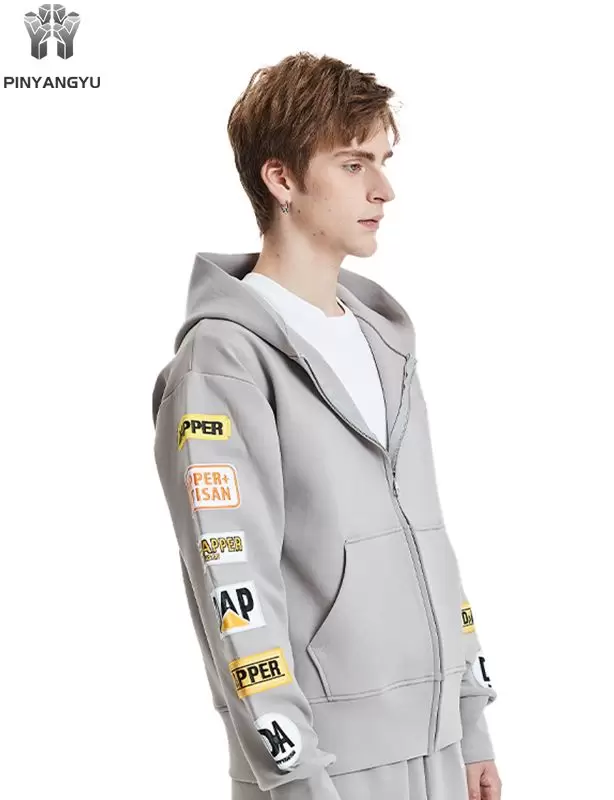
Where you put a patch changes the whole look of a t-shirt. Here are some ideas:
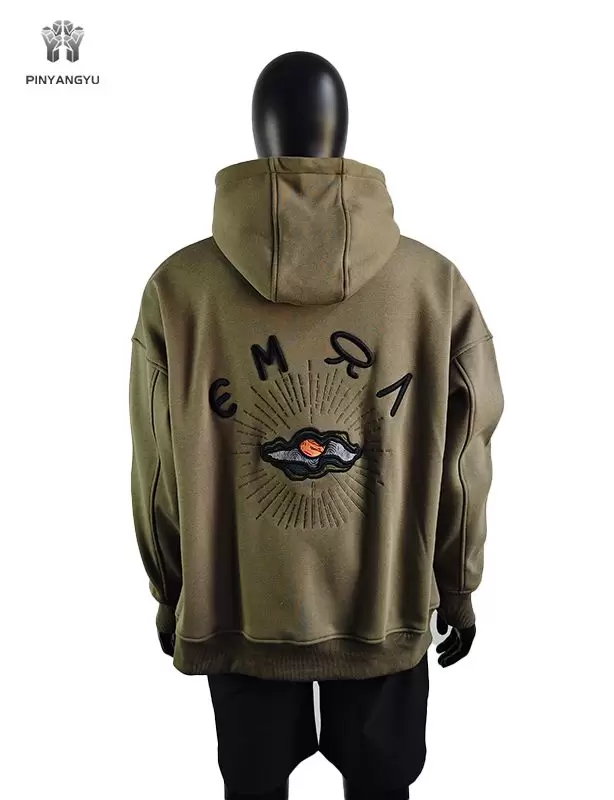
Back panels: Big logos or graphics grab attention.
Sleeves: Small patches like initials look cool and subtle.
Chest and shoulders: Classic spots for emblems or brand logos.
Pockets: Add color to back pockets.
Asymmetrical accents: Place patches on one side for a unique style.
Try different spots when applying patches to find what fits your style. Good placement also helps patches stay on longer and keeps edges from curling.
Tip: Always check the fabric and patch type before applying patches. This helps avoid damage and keeps your t-shirt looking great.
Custom Embroidery Patches & Personalization
Design Your Own Patch
Pinyang Clothing makes custom embroidery patches in usa simple for everyone. You can order just one patch if you want. This helps both big companies and small groups try their ideas. The team helps you with each step of making a patch. You send your art or ideas to them. Designers look at your design and give advice. They tell you the best way to make your patch. Special machines keep every patch the same size and in the right spot. This works even for big orders. Every shirt will look perfect.
Some designs are hard, like ones with many colors or fading. These need extra care. Pinyang Clothing uses smart software to keep colors bright and lines clear. They make a test patch before making a lot. This stops problems with color or missing details. They check quality at every step. Each patch looks just like your design.
Color, Size, and Placement Choices
People like picking their own colors, sizes, and spots for patches. Pinyang Clothing has many thread colors and patch shapes. You can pick a small patch for the chest or a big one for the back. The team gives tips to help you choose what fits your style. They use guides and templates to put patches in the same place on every shirt. This helps with both small and big orders.
Tip: Try using different patch sizes and colors for a cool look. Custom embroidery patches in usa help you show your brand or message in many ways.
Eco-Friendly and Trendy Options
In 2026, eco-friendly custom embroidery patches in usa are very popular. Many people want patches made from:
Organic cotton, hemp, or bamboo fabrics
Threads made from recycled plastic or plants
Old clothes or fabric scraps used again
Recycled polyester keeps colors bright and makes less trash. Hemp lasts a long time and does not need much water. Bamboo is soft, breaks down fast, and fights germs. Pinyang Clothing uses safe and green materials with special certificates like GRS and OEKO-TEX. Making custom patches now means caring for the earth and looking good.
Note: Custom embroidery patches in usa can be cool and good for the planet. Ask about eco-friendly choices when you order.
Buying Guide: Step-by-Step
Picking the right embroidery patch t-shirt can seem hard at first. This guide makes it simple for anyone to follow. It helps people like brand managers, engineers, or team leaders make good choices. Here is how you can begin:
Choosing the Right Patch T-Shirt
Start by thinking about what kind of embroidery patch t-shirt you want. Think about these key things:
Pick the Patch Type
Embroidered patches look classic and stand out.
Woven patches are flat and show small details well.
FlexStyle or PVC patches feel soft and modern.
Check Fabric and Patch Materials
100% polyester is strong and keeps you dry.
Cotton twill is soft and good for everyday wear.
Poly/cotton blends are comfy and last a long time.
Review Patch Placement and Size
Big patches look bold on the back or chest.
Small patches work well on sleeves or pockets.
Make sure the patch size does not change how the shirt fits.
Look for Customization Options
Real customization lets you pick colors, shapes, and backing types like iron-on, Velcro, or sew-on.
Ask if the company can use eco-friendly materials or special designs.
Evaluate Patch Quality
Check the edges to stop fraying.
Ask if the colors stay bright after washing.
Request samples or photos to see their work.
Tip: Always ask about how the company checks quality. Good suppliers will explain their process and share details like thread count and backing strength.
Matching Style and Occasion
Embroidery patch t-shirts fit many events. Picking the right style for the event helps everyone look great. Here are some ideas:
Embroidered patches are best for classic looks and uniforms.
Woven patches are good for light shirts and sportswear.
PVC or FlexStyle patches give a sporty or cool look.
People use patches in many ways:
For casual days, custom embroidered dress shirts add style.
For fancy events, monogram or initial patches look classy.
For gifts or special days, custom designs make it special.
For work, woven patches keep uniforms neat and sharp.
Note: Patches can go on many things, like denim jackets or dress shirts. They help brands, teams, and people show their style for any event.
Evaluating Fit and Comfort
Comfort is just as important as style. Buyers should check these things before buying custom patches:
Patch Type
Thickness
Comfort Level
Best Use Cases
Embroidered
Thicker
Can sag on light shirts
Vintage style, simple logos
Woven
Thinner
Soft and flexible
Sportswear, light shirts, work uniforms
100% polyester shirts last long and keep you dry.
Cotton twill is soft and lets your skin breathe.
Poly/cotton blends are comfy and strong for most uses.
Patch size and where you put it also matter for comfort. A big patch can make the shirt heavy or stiff. Small patches are lighter and let you move easily. Chest or sleeve spots keep the patch easy to see but out of the way.
Tip: Always ask for a size chart and see if you can get samples. This helps you pick a shirt that fits well and feels nice.
Step-by-Step Guide for Purchasing Custom Patches:
Choose your patch type, fabric, and design.
Tell the supplier your ideas and needs.
Look at digital samples or proofs before you say yes.
Check details like edge finishing and backing type.
Place your order and watch how it is made.
Check the finished shirts for quality and fit.
Tips for First Time Buyers:
Pick suppliers who let you customize and do not need big orders.
Make sure they answer questions fast and clearly.
Ask about their experience and look at reviews or past work.
Check that they use good materials and modern machines for best results.
Note: Good customer service and clear answers mean a supplier is trustworthy. Always ask about how long it takes, return rules, and help after you buy.
This buying guide helps everyone, from new buyers to project managers, make smart choices when buying embroidery patch t-shirts. If you follow these steps, your shirts will match your style and needs.
Durability and Care
Washing and Maintenance
Buyers want their embroidery patch t-shirts to look new for as long as possible. Good care and durability start with the right washing routine. Here are the best steps for keeping patches and shirts in top shape:
Check the patch edges before washing. Look for loose threads or lifting.
Read the care label on the shirt. Follow the instructions for the fabric and patch.
Treat stains gently. Use mild detergent around the patch. Do not scrub hard.
Turn the shirt inside out. This protects the patch from rubbing against other clothes.
Close all zippers and hooks to stop snagging.
Hand wash for best results. If using a machine, pick a gentle cycle with cold water.
Air dry the shirt. If using a dryer, choose the lowest heat and remove the shirt right away.
Pinyang Clothing uses strong threads and secure edge finishing. Their patches stay flat and bright, even after many washes.
Patch Longevity
Buyers often ask how long patches last. With proper care, most iron-on patches stay on for 20 to 30 washes. Some patches last two to three years. Others may need replacing after six months if washed often. Sewn-on patches usually last longer. Pinyang Clothing’s advanced bonding and colorfast threads help patches keep their shape and color for years. This gives buyers confidence in long-term use.
Tip: Wash less often and avoid high heat to make patches last longer.
Repair and Replacement
Sometimes patches get damaged or start to peel. Buyers can fix small problems at home. Here are common repair methods:
Method
Description
Mending
Use a fabric piece from the shirt or a store-bought patch to cover a tear.
Patching
Sew a new patch over the damaged area. Try a contrasting color for style.
Darning
Weave thread into small holes or rips to close them up.
To repair a patch, buyers should gather thread, a needle, and a patch. Mark the damaged spot, pin the patch, and sew it in place. This keeps the shirt looking good and extends its life. For big repairs or replacements, Pinyang Clothing’s support team can help with advice or new patches.
Note: Quick repairs stop small problems from getting worse. Regular checks and care keep shirts looking sharp.
Pricing and Value
Price Factors
Many things can change the price of an embroidery patch t-shirt. Buyers often want to know what makes one shirt cost more than another. Here is a simple table that shows the main factors:
Factor
Description
Order Size
The quantity ordered influences the overall cost; larger orders may reduce the price per unit.
Customization Options
The type of backing and complexity of the design can significantly increase costs.
Design Complexity
More complex designs with additional colors will incur higher costs due to increased resources.
Backing Type
Different backing types (e.g., iron-on, Velcro) affect the price, with some being more costly.
Artwork Costs
Initial design costs are necessary regardless of order size, impacting overall pricing.
People who choose ready-made shirts often pay less because the designs are already set. Custom orders may cost more if they need special colors or unique patch shapes. When buyers pick a simple ready-made patch, they save money and time.
Standard vs. Custom Orders
Standard orders use ready-made designs and patches. These shirts are quick to make and ship. They work well for teams, events, or anyone who needs shirts fast. Custom orders let buyers pick every detail, from patch size to thread color. This takes more time and may cost more, but it gives a one-of-a-kind look. Pinyang Clothing offers both ready-made and custom options, so buyers can choose what fits their needs and budget.
Ready-made shirts help brands launch new looks quickly. Custom shirts help designers show off their ideas. Both types use strong materials and careful stitching. Buyers can trust that every shirt will last, no matter which option they pick.
Getting the Best Deal
Smart buyers look for ways to save money and get more value. Ordering more shirts at once can lower the price per piece. Picking ready-made patches also helps cut costs. Pinyang Clothing gives discounts for large orders and offers free design help for custom projects. Their team answers questions fast and helps buyers pick the best ready-made or custom option.
Tip: Ask about special deals or bundles when ordering. Ready-made shirts often come with extra savings, especially for big groups.
Pinyang Clothing’s prices stay fair, and their quality stays high. Buyers get strong, stylish shirts that fit their needs and budget.
Ordering from Pinyang Clothing
Online and In-Store Process
Pinyang Clothing makes it simple to order shirts. You can shop online or go to the store. The website shows all t-shirt styles and custom embroidery patches. You pick a design, upload your art, and choose where the patch goes. The website helps you with each step. If you visit the store, staff help you pick fabrics and patch types. They answer questions and show you samples. You only need to order one shirt if you want. This lets you try new ideas without buying a lot. Orders are finished fast, even for custom embroidery patches.
Tip: Try the online preview tool. It shows how your custom embroidery patches will look before you buy.
Shipping and Returns
Shipping is fast and safe. Pinyang Clothing packs shirts carefully in strong boxes. This keeps custom embroidery patches safe while shipping. You get a tracking number to see where your order is. Most orders ship out in just a few days. If your shirt does not fit or a patch has a problem, returns are easy. The team helps you get a new patch or a different size. They also fix patches if you need repairs. Custom embroidery patches stay bright and strong. You can return shirts for a new patch or another size.
Service
Details
Shipping
Fast, tracked, secure
Returns
Easy, helpful, flexible
Repairs
Quick patch fixes, replacements
Customer Support
Customer support is always ready to help. The team answers questions about custom embroidery patches and ordering. They help you pick designs, patch spots, and give care tips. After you buy, they help with patch repairs and advice. You can call, email, or chat any time. Pinyang Clothing’s support team helps you from start to finish. They make sure every order is great for custom embroidery patches.
Note: Good support helps you feel sure when you order custom embroidery patches.
Buying embroidery patch t-shirts from Pinyang Clothing is simple if you follow a few steps. First, pick the patch type you like. Next, check what materials are used. Then, choose custom embroidery patches that match your style. Knowing these things helps you stop fraying or peeling. It also keeps patches bright after many washes. You can make sure your custom embroidery patches stay strong and look good.
Pinyang Clothing gives quick help and has a big workspace.
Feature
Details
Staff Count
More than 30
Delivery Rate
100.0%
Response Time
Under 3 hours
You can look at new designs or ask for help with your next order.
FAQ
How long do embroidery patches last on t-shirts?
Most patches stay bright and strong for two to three years. Pinyang Clothing uses colorfast threads and secure edge finishing. Buyers can expect patches to hold up after many washes.
Can I order just one custom embroidery patch t-shirt?
Yes! Pinyang Clothing lets buyers order a single shirt. This helps designers test new ideas or create unique gifts. Minimum order starts at one piece.
What fabrics work best for patch t-shirts?
Heavyweight cotton and poly/cotton blends give patches a strong base. These fabrics keep edges flat and colors bright. Bamboo and organic cotton feel soft and eco-friendly.
How do I care for my patch t-shirt?
Turn the shirt inside out before washing. Use cold water and gentle detergent. Air dry for best results. This keeps patches from fading or lifting.
Does Pinyang Clothing offer help with patch repairs?
Yes! Their support team helps with patch repairs and replacements. Buyers can contact them anytime for advice or new patches.
This website uses cookies to provide you with a safer and more personal experience. By accepting, you agree to the Cookie Policy and the use of cookies for advertising and analytics purposes.


 en
en


 Leave a Message